1. Core structure and working principle
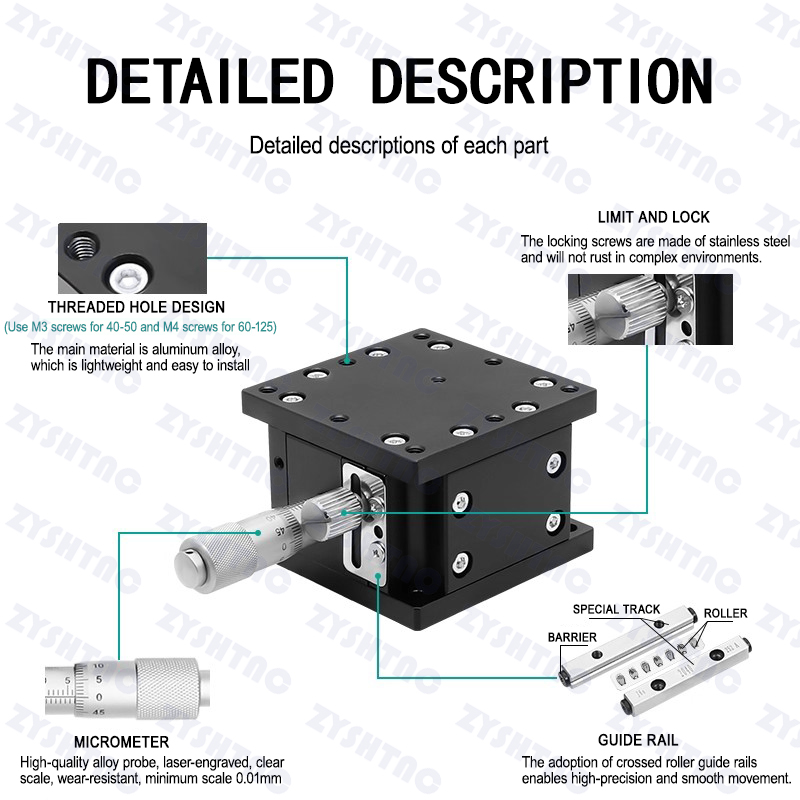
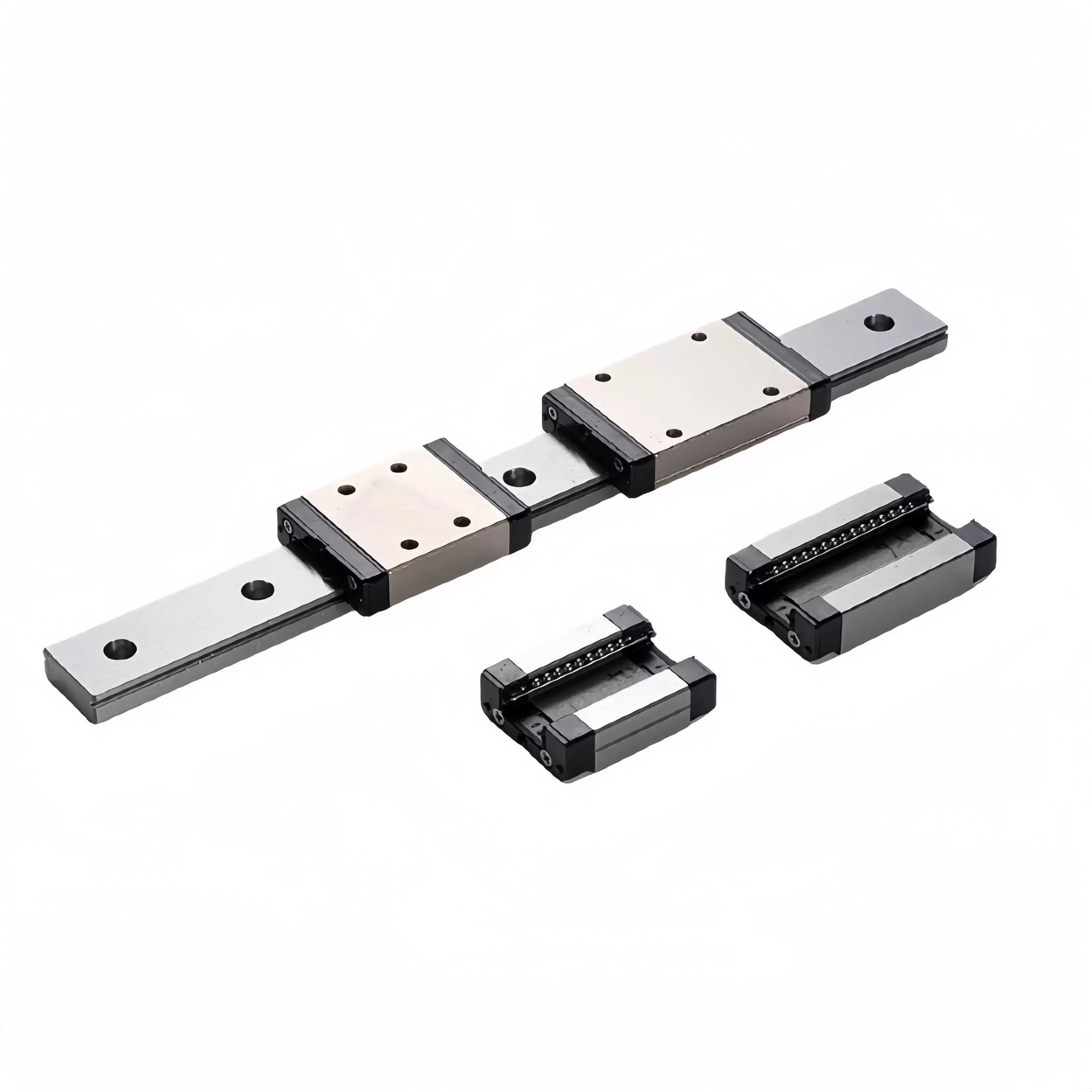
The cross roller guide rail consists of two V-shaped guides, intersecting cylindrical rollers, and a cage (isolation block). The core principle is: cross arrangement of rollers: two sets of cylindrical rollers are embedded in the cage in a 90 ° vertical cross manner, forming a multi-directional force structure.
Motion mode: The roller moves back and forth on the precision ground V-shaped track surface, achieving high-precision linear motion through rolling friction.
Load distribution: The cross design can simultaneously withstand radial, axial, and overturning moments, with a large contact area and small elastic deformation.
2. Key details of action diagram
Function of the cage: prevent the rollers from tilting or rubbing, ensure even load distribution, but pay attention to the phenomenon of "cage creep" (the cage gradually deviates from the center).
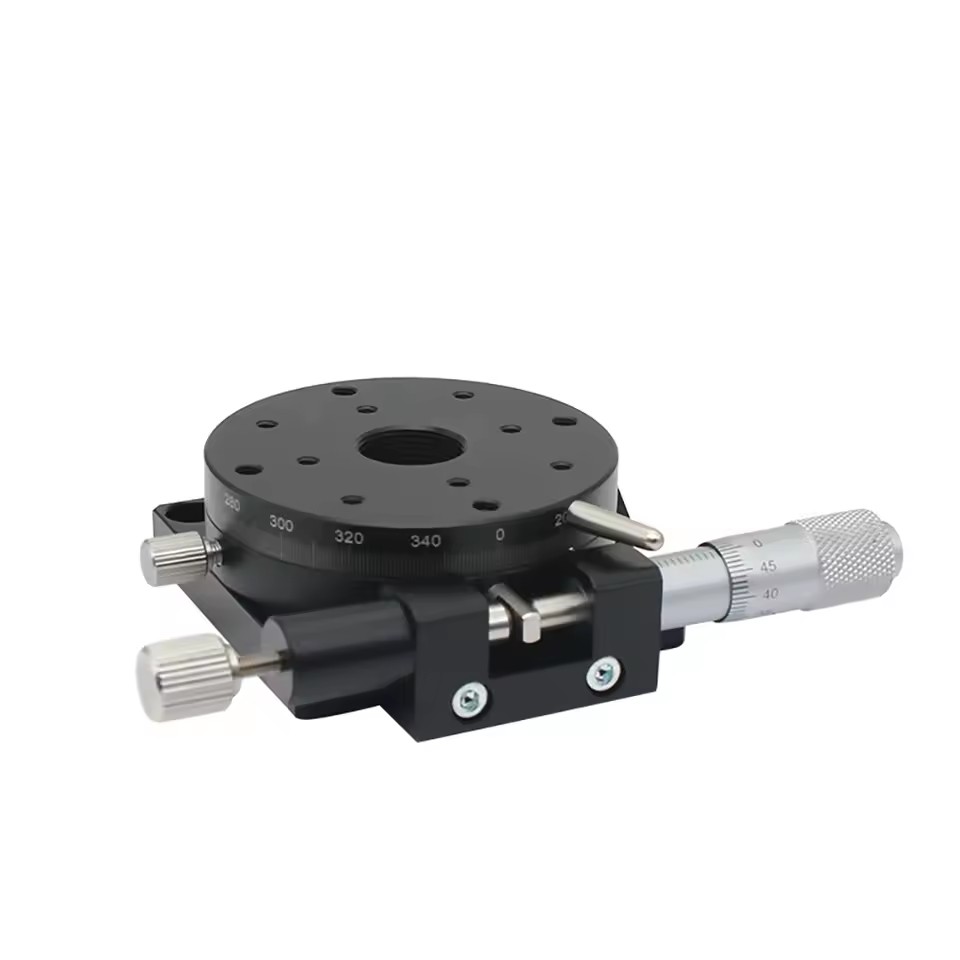
Pre tightening adjustment: The gap can be adjusted through a segmented inner and outer ring structure (such as XSU series) to achieve high-precision rotation or linear motion.
3. Performance advantages
High rigidity: The effective contact length of the rollers is long, and the overturning moment is better than that of linear guides.
Low friction: The rolling friction coefficient is small, suitable for high-speed and high load scenarios (such as semiconductor equipment).
Easy to install: Modular design supports quick fixation, with some models achieving P4/P2 level accuracy.