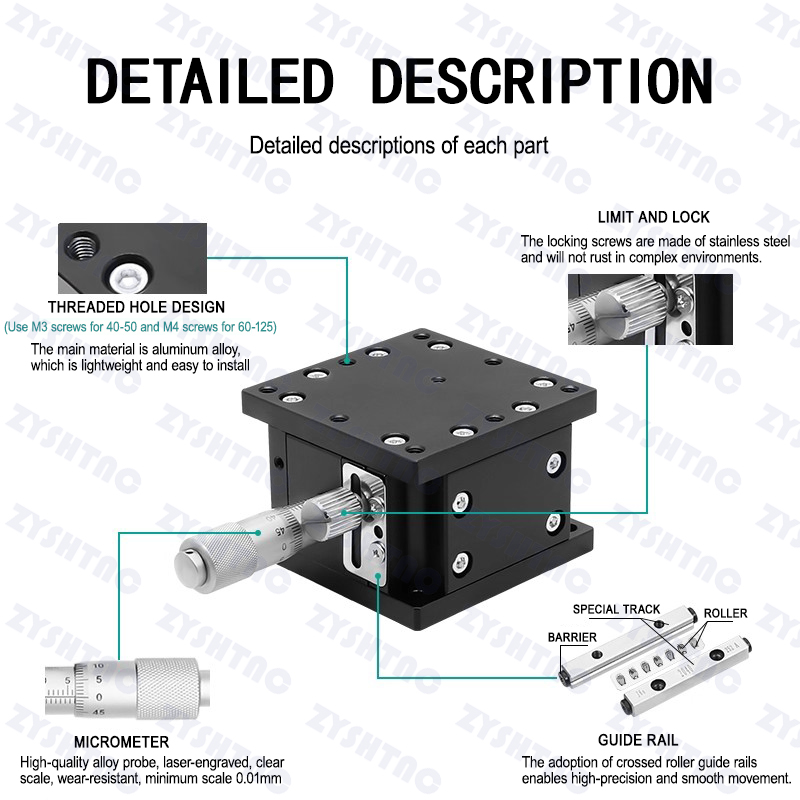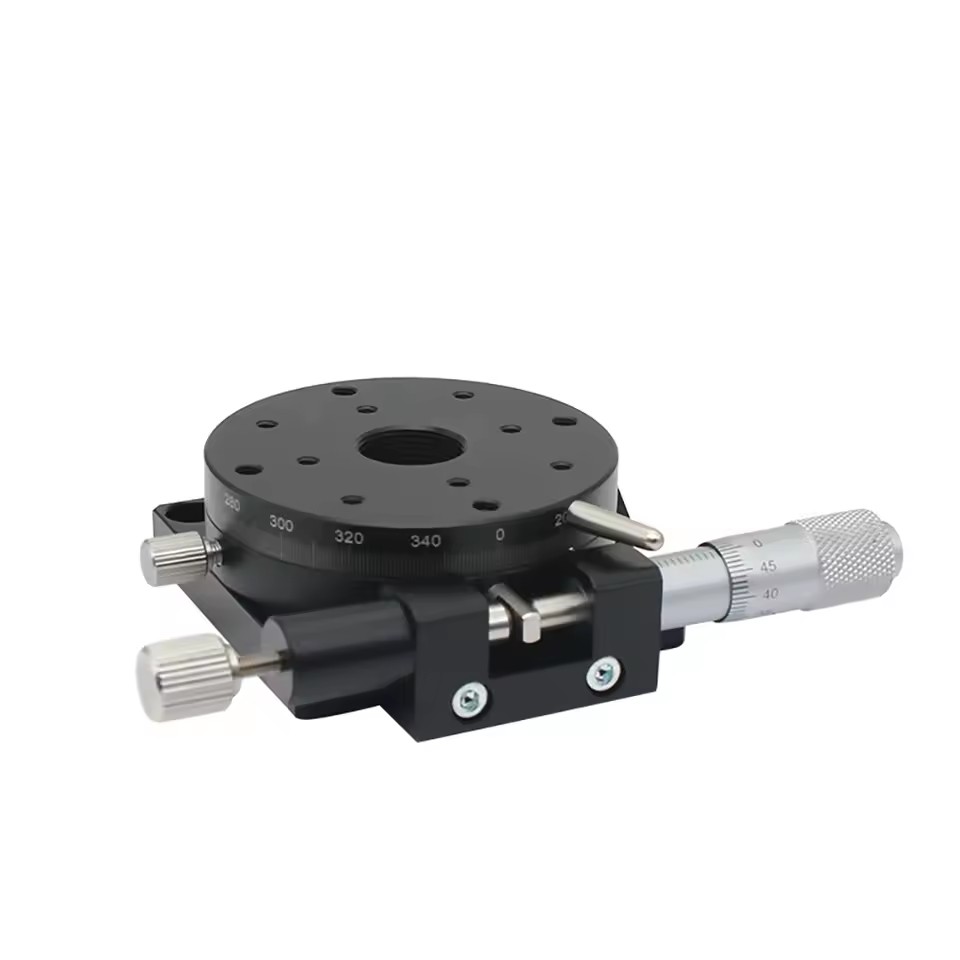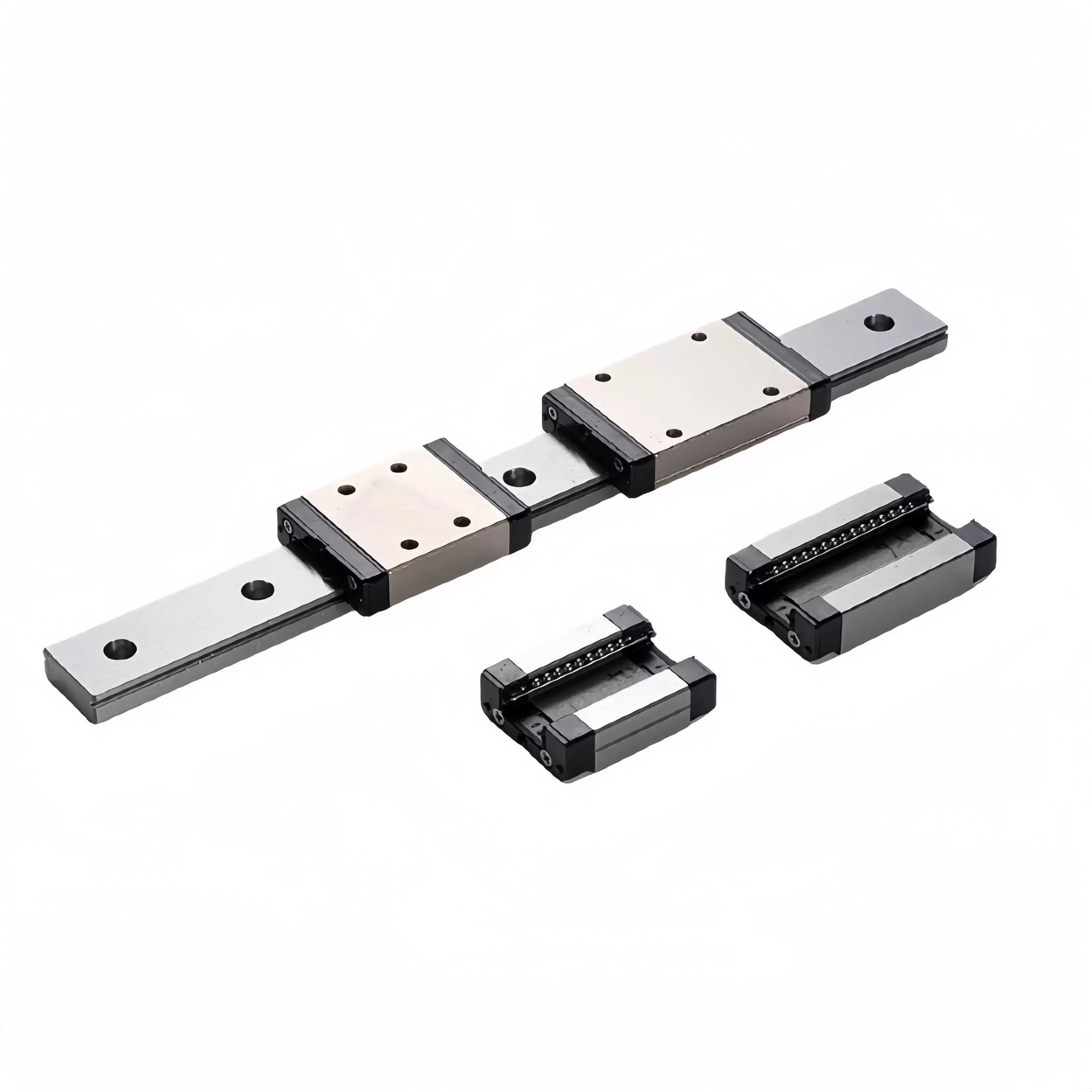
Cross rail and linear rail each have their own advantages, and the specific selection needs to be comprehensively evaluated based on the key requirements of the application scenario (such as accuracy, travel, load, etc.), without absolute superiority or inferiority.
Overview of Core Differences
The cross guide rail is based on the cross structure of rollers and V-shaped grooves, suitable for high-precision short stroke scenarios; The linear guide adopts a sliding block and guide rail rolling design, which is suitable for long stroke and high-speed requirements. The two cannot be replaced by each other, and the selection should be based on the following dimensions:
Performance comparison dimension
Accuracy and stability.
Cross guide rail: The linear accuracy within a short stroke (within 300mm) reaches ± 0.001mm - ± 0.5 μ m, with strong overturning moment bearing capacity and high stability, suitable for precision fields such as semiconductor packaging and optical inspection.
Linear guide rail: With a conventional accuracy of about ± 5 μ m, it is suitable for scenarios such as industrial robots and CNC machine tools that require moderate accuracy.
Travel and speed.
Cross guide rail: limited travel (usually ≤ 300mm), significant frictional heat during high-speed operation, upper speed limit of 1-2m/s, suitable for low-speed precision control.
Linear guide rail: The stroke can be flexibly extended (up to 6000mm per unit), the friction coefficient is low, and it supports high-speed movement of ≥ 5m/s. It is suitable for logistics sorting and automated production lines.
Load capacity.
Linear guide rail: Strong load-bearing capacity for radial and composite loads (radial+torque), with a rated dynamic load of tens of kilonewtons for heavy-duty models, suitable for heavy-duty equipment such as machining centers.
Cross rail: Excellent vertical load performance, but weak lateral torque resistance, more suitable for light load scenarios such as medical imaging equipment.
Space and cost.
Cross rail: Low installation height, compact structure, space saving, but high cost due to complex process (one set can replace two sets of linear rails).
Linear guide rail: Large size requires ample space, and large-scale production makes it lower in cost and more economical.
Maintenance and lifespan.
Linear guide rail: evenly worn, with a lifespan of 5-10 years under standard maintenance, and requires regular lubrication.
Cross guide rail: The contact design between the rollers and the cage surface reduces wear and has a longer lifespan (some models can increase by up to 6 times), but it requires enhanced lubrication at high speeds.
Suggested selection scenarios
Priority Cross Rail: For scenarios with short stroke, micrometer level accuracy, light load, and limited space, such as wafer positioning equipment and precision measuring instruments.
Priority linear guide: Long stroke, high-speed, heavy-duty or cost sensitive projects, such as gantry milling machines, logistics conveying systems